
Introduction to Perspective (Online Course)
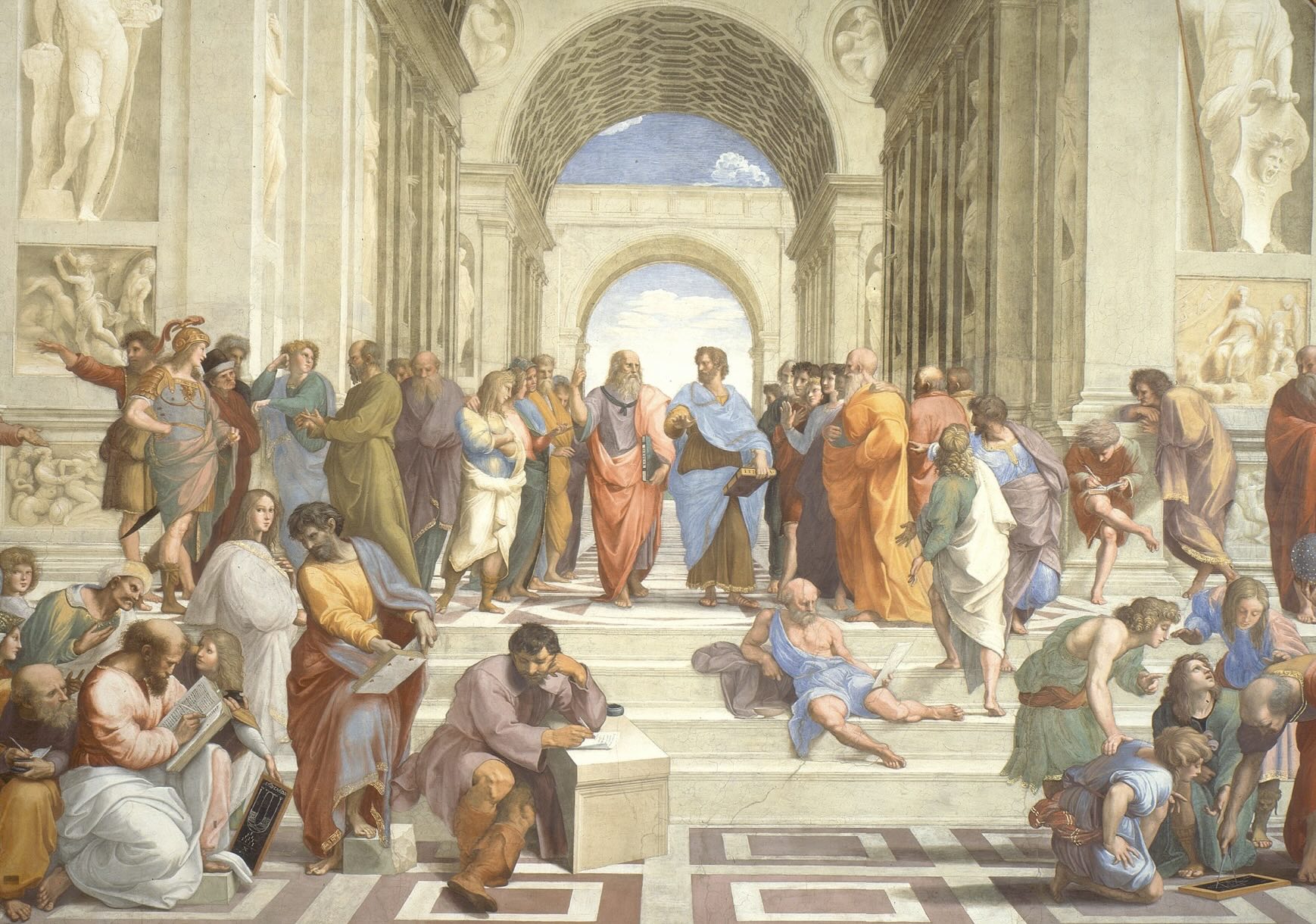 Screenshot
Patrick Neilson
Sundays, 1 PM – 4 PM ET- please adjust for your timezone
February 28, March 7, 14, 21, (no class March 28), April 4, 11, 19, 25, 2027
8 weeks – Tuition: $415
Limit: 10 students
Take this class:
- To gain an understanding of the foundations of perspective.
- To learn how perspective can be applied to observational drawing.
- To understand how artists use perspective to compose images.
Is this class for me/ prerequisite?
- Some prior experience with drawing is recommended but not required.
Class Format Notes:
- An hour and a half live critiques each class.
- Approximately an hour and half of demo each class.
- Students work on their weekly assignment outside of class time, working during class is optional.
- Every online class is recorded.
- Critiques are only given during the live class time.
- Attendance at every live class isn’t mandatory.
- Absentee students can still submit their work at least 15 minutes before the live class starts and the instructor will critique the work during the class. The critique will then be viewable in the recording.
- Students receive access to the class recording within 24 hours of the class finishing. The recording gets posted into the google classroom.
- Access to the recordings is available for the duration of the class plus an additional 30 days. There are no extensions.
Class Tech Needs:
- The class will be conducted on the Zoom platform and is a live online experience.
- This class also uses Google Classroom to share resources. Watch this video for more insight.
- All of these services/platforms are free but require registration.
- It will be necessary for students to have access to a computer, tablet or smartphone. The recommended device is a laptop or desktop.
Course Description
This introductory course explores the fundamentals of perspective and how these principles apply to observational drawing. Students will also gain an understanding perspective through analyzing works of art. Through demonstrations and drawing assignments students will develop an understanding of basic geometry in perspective, spatial relationships, and creating the illusion of depth. Students will learn how to represent three-dimensional space and volume on a two-dimensional surface using concepts such as the horizon line, vanishing points, and one-point perspective.
By the end of the course, students will have a foundational understanding of one – point perspective and the tools needed to create convincing linear representations of space. Students should anticipate spending a few hours a week outside of class completing assignments.